

Reflections on learning, partnership, and contributing to international psychology education
By Leah Westerman
Understanding people is at the heart of so many careers, as well as our lives more generally, and this is why psychology is such an important, interesting, and versatile subject to study. But if you’re just starting out on your psychology journey, you might not yet know what psychology involves or where it can take you. That’s why gaining hands-on experience can be such a valuable part of learning, to understand how it applies in the ‘real world’. At NTU, our psychology degrees embed a number of opportunities for students gain real world experience, including an integrated 60-hour placement during the second year. So we are delighted to introduce and share Leah’s article, which reflects on her own placement experience, the value of psychology, and the chance to contribute to the International Collaboration on Undergraduate Psychology Outcomes (ICUPO).
What is the value of studying psychology and what can you expect when studying it? Psychology is often mistakenly seen as just about “reading minds” or only for those interested in becoming a therapist. However, it’s a diverse field that explores human behaviour, emotions, cognitive processes, and the brain, as well as encompassing statistical analysis, critical thinking, and understanding how people think, feel, and act. Psychology is the scientific study of human behaviour and mental processes and in my studies at NTU, I have explored topics like information processing, emotional responses, and the impact of culture on behaviour. I’ve also developed those critical thinking skills, conducted research, and learned to evaluate psychological claims, giving me a strong foundation in psychological theories and methodologies applicable to everyday life.

The importance of ICUPO in my psychology journey: The International Collaboration on Undergraduate Psychology Outcomes (ICUPO) is a project focused on developing a framework for International Competences for Undergraduate Psychology, to guide psychology education worldwide. This ensures students acquire the essential skills and knowledge for academic and professional success in psychology. I’m honoured to have been part of ICUPO during my second-year placement at NTU, which has highlighted how the topics and skills we study shape us into competent professionals. ICUPO has played a significant role in my psychology journey already by helping me identify the skills and knowledge I’ve gained at NTU that align with the ICUP competences, which are essential for my lifelong development.
Psychology at NTU and how it has aligned with the ICUP competences: There are 7 key competences: Psychological Knowledge, Psychological Research Methods, Values & Ethics, Critical Thinking, Cultural Responsiveness, Communication Skills, and Personal & Professional Development. At NTU, I’ve realised that these competences are crucial for both academic growth and personal development, impacting my future career. Here are a few specific competences I’ve encountered, how they’ve shaped my academic journey, and their broader relevance beyond university.
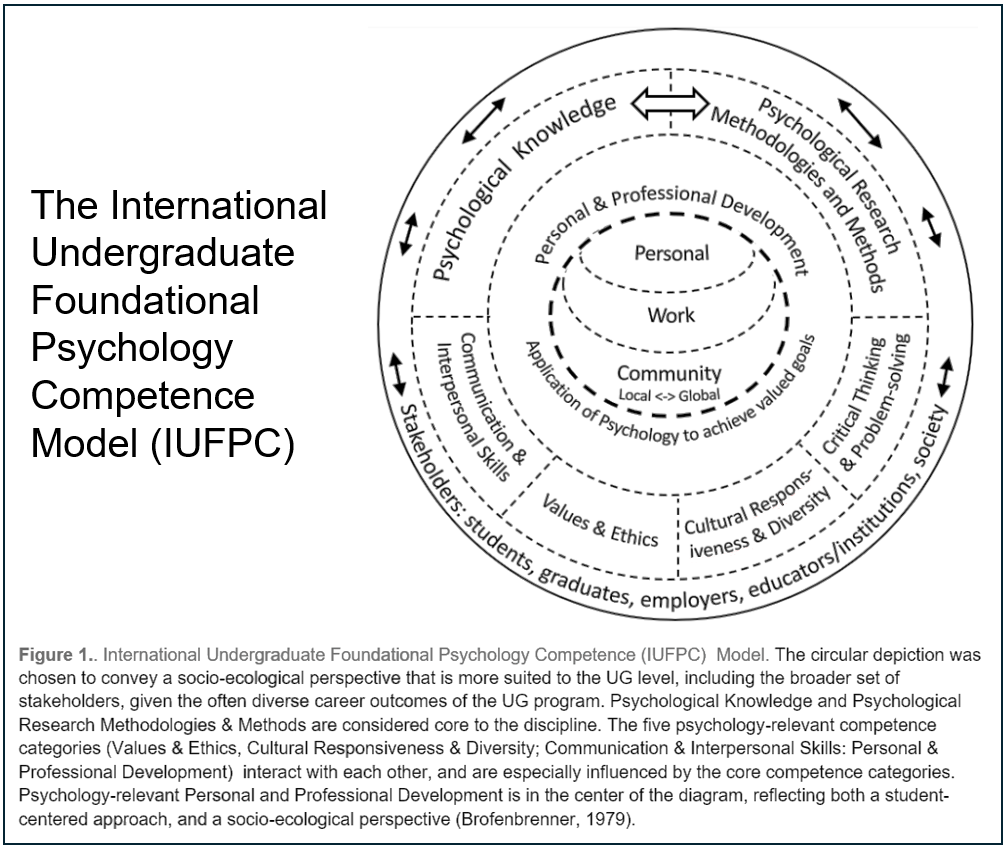
For example, I’ve gained a solid understanding of psychological knowledge, covering core concepts, foundational theories, and the impact of social and cultural factors on behaviour. This knowledge has enhanced my academic perspective and influenced how I approach everyday situations, from understanding others’ motivations to recognising media biases and applying psychological principles for my own personal growth. Research methods are essential to my studies, teaching me how to conduct research, evaluate evidence, and apply scientific principles. It has helped me gain a critical understanding of various methodologies, learning to choose appropriate methods and assess their validity and this knowledge is valuable both in academics and beyond. Recently, while working on a group project, I applied these skills by conducting a survey, ensuring we adhered to ethical guidelines and critically assessed our results. This experience allowed me to implement my research skills and evaluate evidence effectively, both in academia and in everyday situations, such as assessing the credibility of online articles.
Values and ethics: psychology is grounded in ethical principles, teaching me to evaluate ethical standards in research and practice. This also extends beyond academia, influencing how I approach moral decisions in daily life, such as navigating workplace dilemmas or making ethical choices in personal relationships.

Communication and interpersonal skills: I’ve developed the ability to present complex ideas clearly and collaborate effectively. In a recent class project, my clear communication of psychological concepts helped our team present our findings successfully. Actively listening to my teammates also contributed to our project’s success, enhancing my skills in both academic and professional group settings.
Critical thinking & problem solving: a core part of my studies has been learning how to critically assess evidence, evaluate sources, and solve real-world challenges. A real-life example of how I’ve applied critical thinking was when I had to decide between two job offers. I used the problem-solving techniques I learned to break down the pros and cons, identify biases in my decision-making, and ultimately make a choice that aligned with my long-term career goals.
Personal and professional development: my studies at NTU have guided me to reflect on my career goals, develop a career plan, and seek mentorship. These skills have been crucial for planning my future, networking with professionals, and setting realistic goals that will help me navigate life after university. Studying psychology extends beyond academic theories; it develops skills applicable to all life areas. It helps with problem-solving, decision-making, effective communication, and critical thinking, equipping you to navigate human behaviour and positively impact society.
Image credits:
- ICUP logo and IUFCP model from the ICUP
- You can learn more about the ICUP’s work via their website
- And if you are interested in learning more about their competency model, you can access the full preprint and supplementary materials here
- Header and meeting images from Adobe
 Psychology at Nottingham Trent University